
Civil Construction
Optimise your civil project with accurate payload information
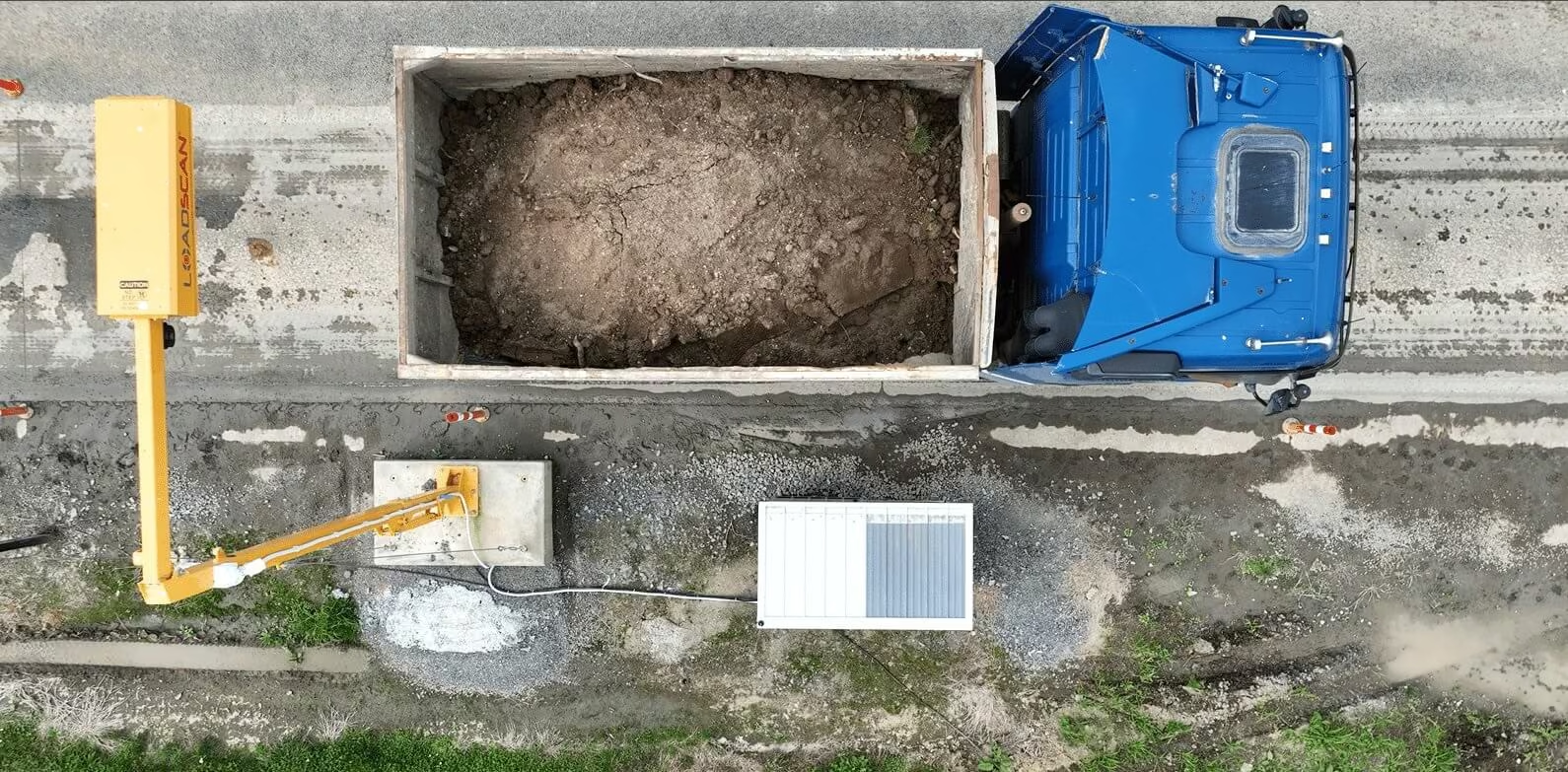
Loadscan’s load volume scanners are being used successfully in civil construction projects across the globe – measuring actual volumes, not estimates based on inaccurate conversion factors.
Enquire Now
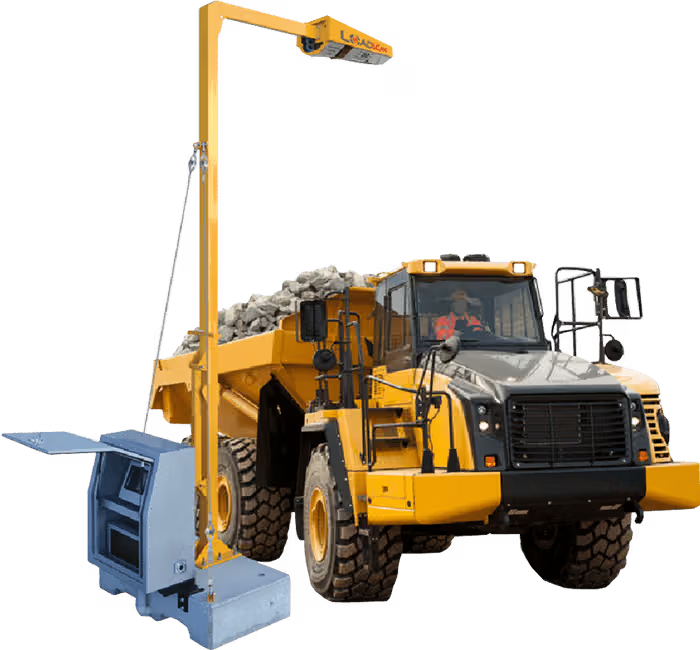
Real-Time Volume Measurement
Accurate, Automated Load Data That Improves Productivity and Project Profitability
Continuous real-time measurement of accurate volumes is the key information generated through the volume scanner. The automated system allows contractors to check on daily productivity and provides a useful cross-reference for payments.
It enables improvements in operational efficiencies by monitoring individual driver/operator productivity, and when combined with the 3D scan images that are automatically generated for every load, can be helpful in training and coaching loader operators.
Volume scanning delivers extensive benefits
-
Measure actual volumes, not estimates based on inaccurate conversion factors, reduces potential for human error
-
Proven accurate to +/- 1%
-
Ensure you only pay for the material you receive
-
Improve project delivery by accurately accounting for bulking and compaction factors
-
Optimise truck loading for maximum asset utilisation
-
Easily manage multiple contractors using the RFID tag system installed on trucks
-
Track every load delivered or removed from site by automatically capturing truck arrival and departure times
-
Eliminate hand-written load dockets and manual docket processing by automatically printing them for drivers or truck operators
-
Easily access historical period reporting for invoicing, site survey reconciliation and performance analysis, onsite or with remote off-site access
-
No significant maintenance costs or re-calibration required
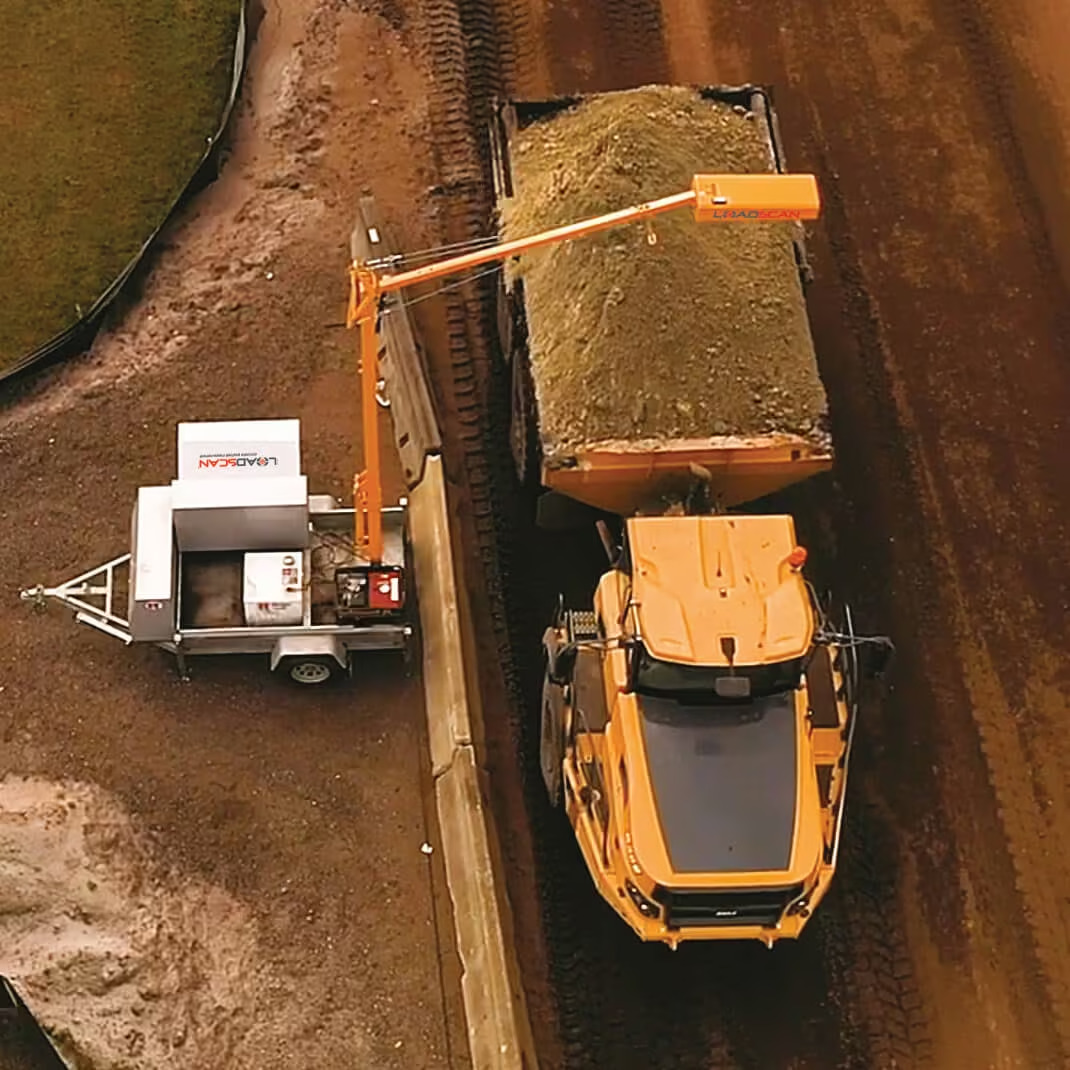
Civil Construction Challenges
The Payload Inefficiencies That Are Quietly Costing Your Project Money
Inaccurate volume measurement, poor loading practices, haulback and the complexity of managing multiple contractors are among the most common and costly challenges facing civil construction operators. Left unaddressed, these issues can lead to significant cost overruns, supply disputes and reduced project profitability. Loadscan’s volume scanning technology provides the accurate, real-time data needed to identify and resolve each of these challenges before they impact your bottom line.
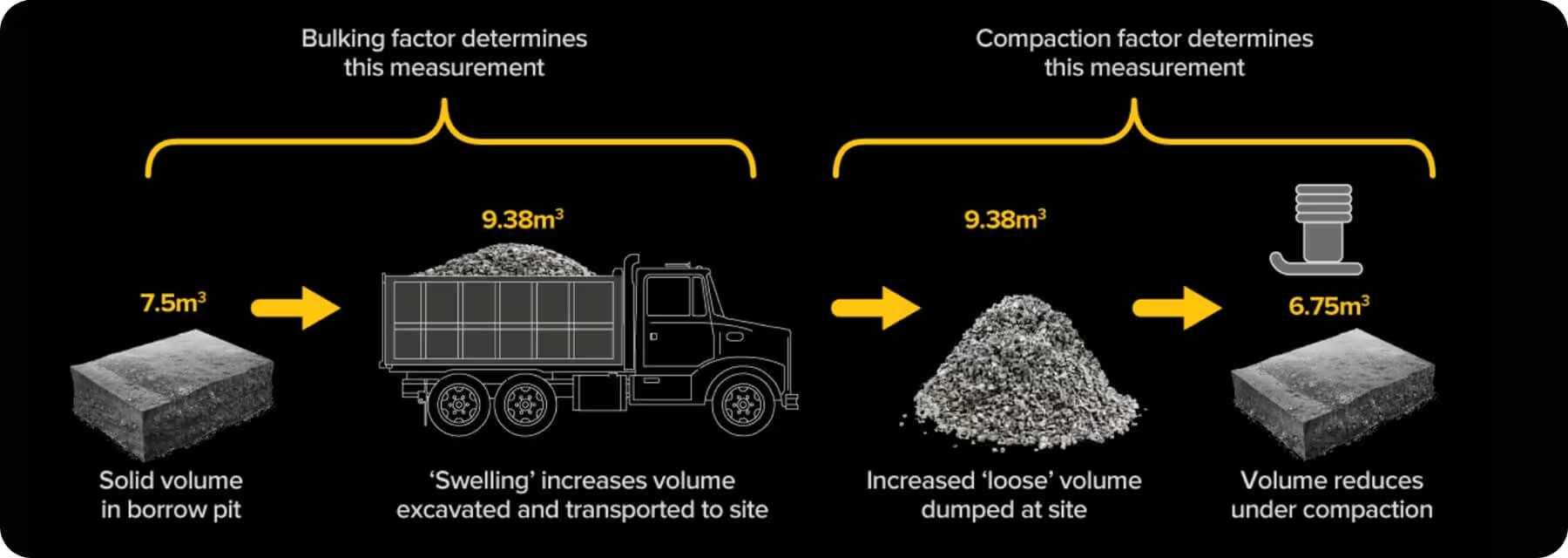
Inaccurate bulking and compaction factors can add significant costs to civil projects
Commonly-used bulking and compaction factor charts provide generic estimates, and don’t necessarily reflect the actual state of the material being excavated.
Incorrectly estimated or misunderstood factors can add significant costs to a project due to material measurement inaccuracies. One cubic from the borrow does not translate into one cubic dumped, nor one cubic compacted.
Excavation increases the volume of material, so material from the borrow expands when dumped into the truck bin, into site, or stockpiled. Conversely, material typically shrinks under compaction.
Without accurate factors to determine the exact volume of material required to be loaded onto trucks to satisfy compacted contract volumes, supplied volumes may be incorrect and truck capacity not fully utilised.
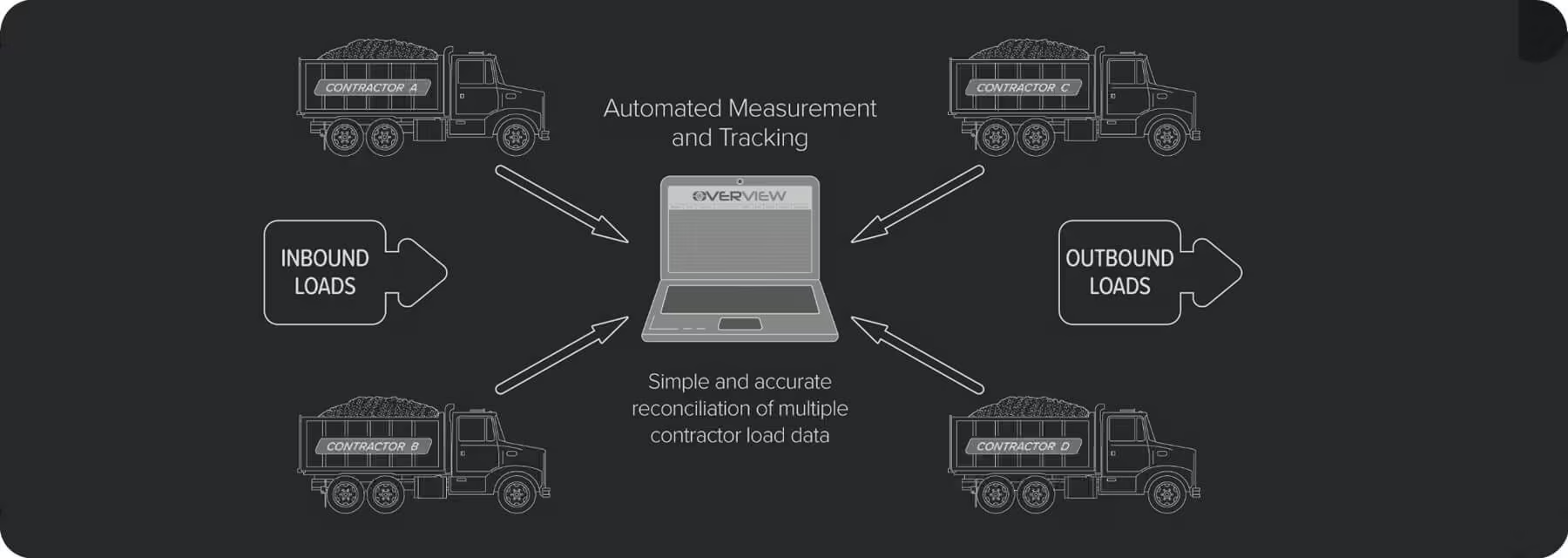
Managing multiple civil contractors can be a headache for operators
Multiple contractors can be easily managed using the RFID tag system installed on trucks. This enables you to reduce human errors, eliminate hand-written dockets, and negate the need for a gateman or tallyman. The Loadscan system shows you exactly how much material has been delivered or shipped off site every hour, day or week, by individual truck and contractor.
Managing haulback to improve profitability
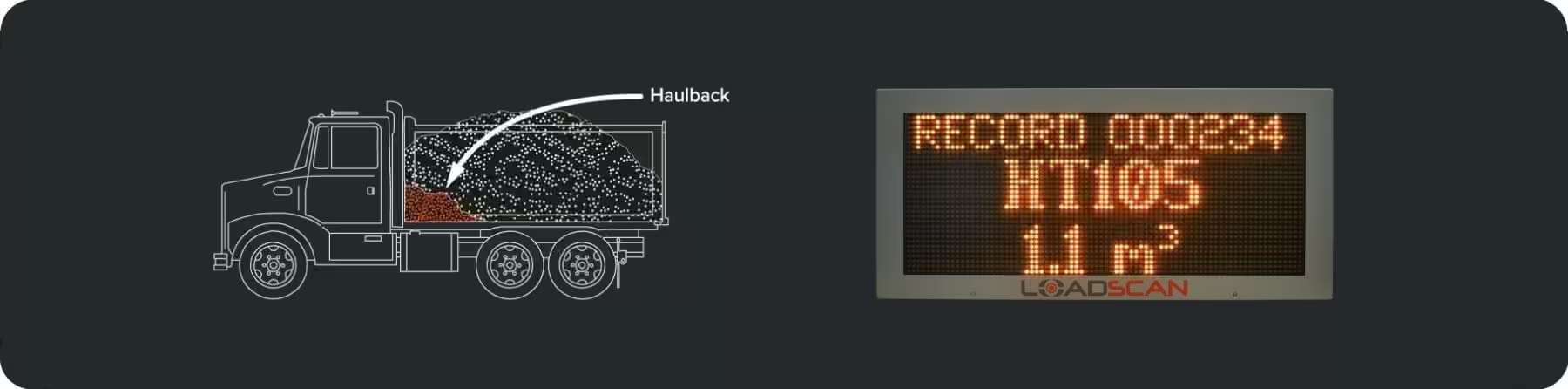
Haulback is a common problem wherever material is being shifted and can seriously impact productivity and profits. By scanning all loads with the Loadscan LVS, haulback is quickly identified through data shown on the message board and can be removed from the bin and from load tallies. The LED message board indicates the amount of material left in the bin, enabling the driver to have the bin scraped out to remove haulback.
Underloading costs civil operators a fortune
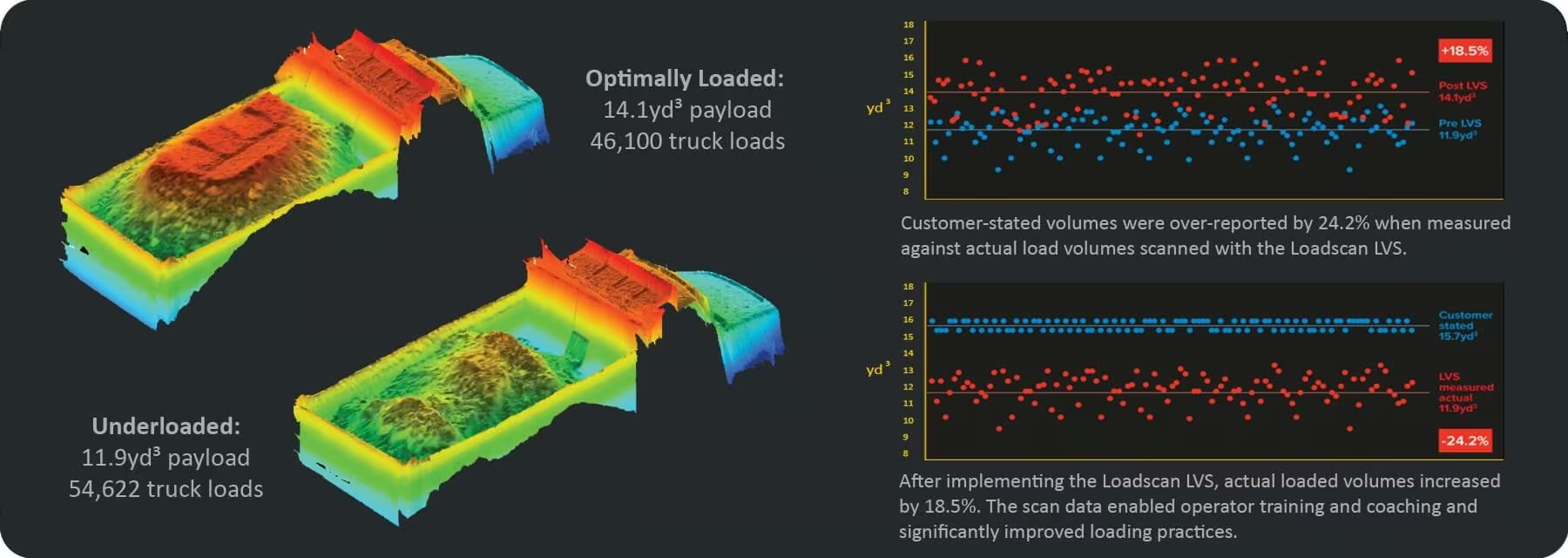
Underloaded trucks can significantly increase overall project costs, and it’s not uncommon to see underloading factors as high as 20%. With automatically generated 3D scans of every load you can identify poor loading practices and use the information to coach and train loader operators. By optimising loading you’ll maximise the value of every contract. In addition, knowing that you’re accurately measuring and optimising your truck capacity will enable you to be more confident when preparing project bids.
End Supply Disputes for Good
Ensure you only pay for the Material you receive
Variations from initial material volume estimates and final in-place volumes often occur, resulting in cost overruns, construction claims, disputes, budget waste and added administrative costs.
With a Loadscan LVS system you’ll end supply disputes. If you purchase or supply construction materials in cubic volume then it makes sense to manage and account for infill delivered to site using a common method, because disputes over supply can be frustrating, time consuming and expensive.
Traditional methods of determining truck load volumes, including converting from weight, counting loader buckets, or simply counting trucks, are inaccurate and contribute to supply disputes. Survey quantities don’t account for bulking factors in material loaded into a truck from a cut, nor compaction of the material when it’s unloaded at a fill site.
Volumetric laser scanning is the only accurate and consistent method for measuring truck loads.
Load Volume Scanner Systems
-
Loadscan Mobile LVS-3TMM
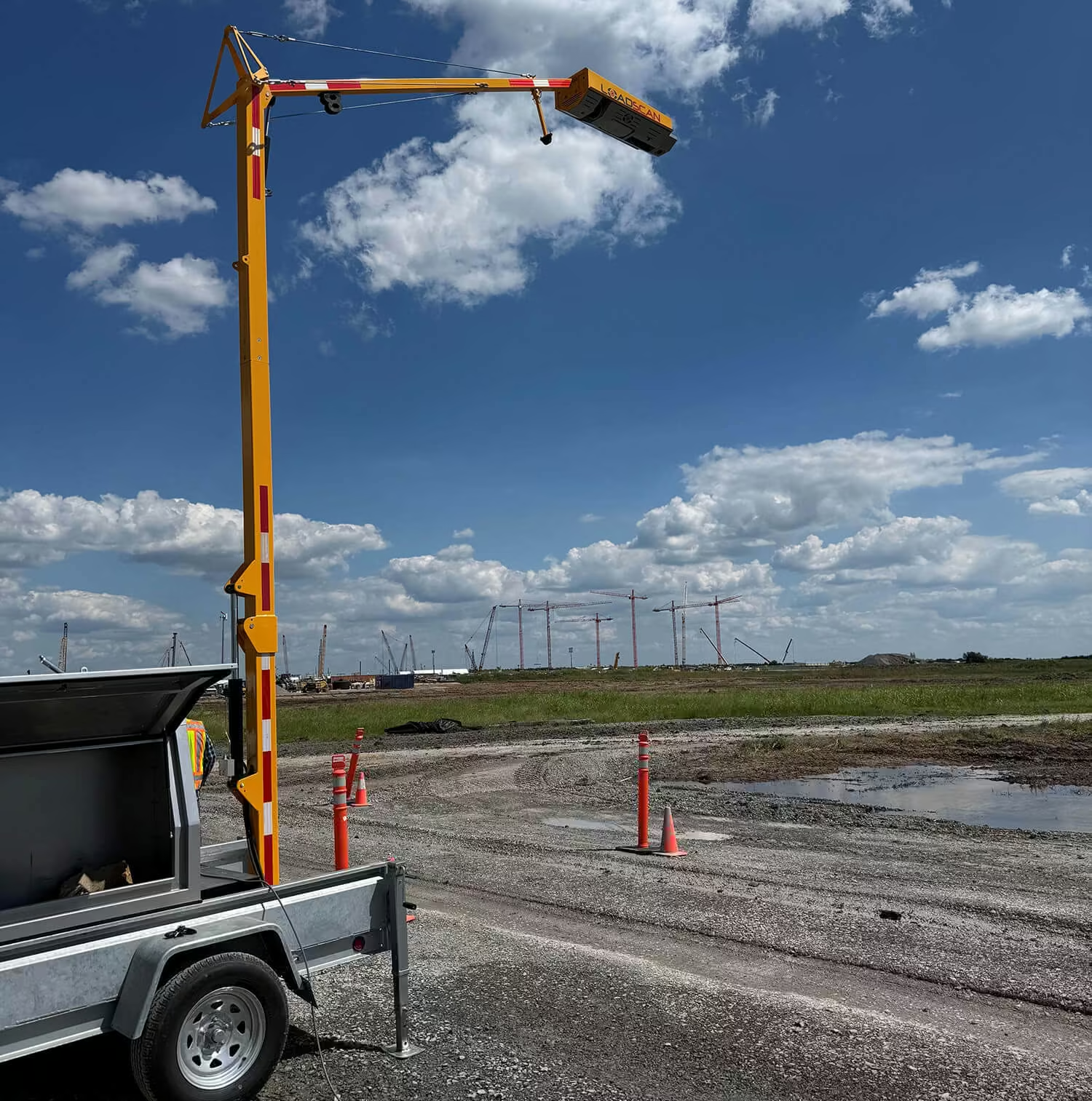
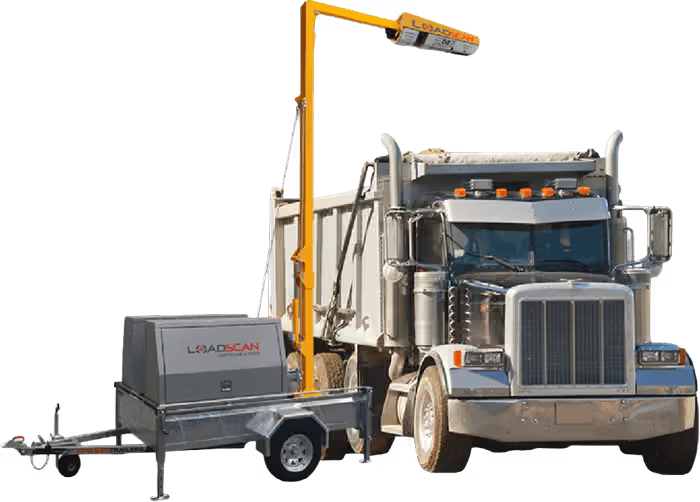
For a fast and fully mobile truck measurement and load scanning solution – the Loadscan® mobile Load Volume Scanner (LVS)…
-
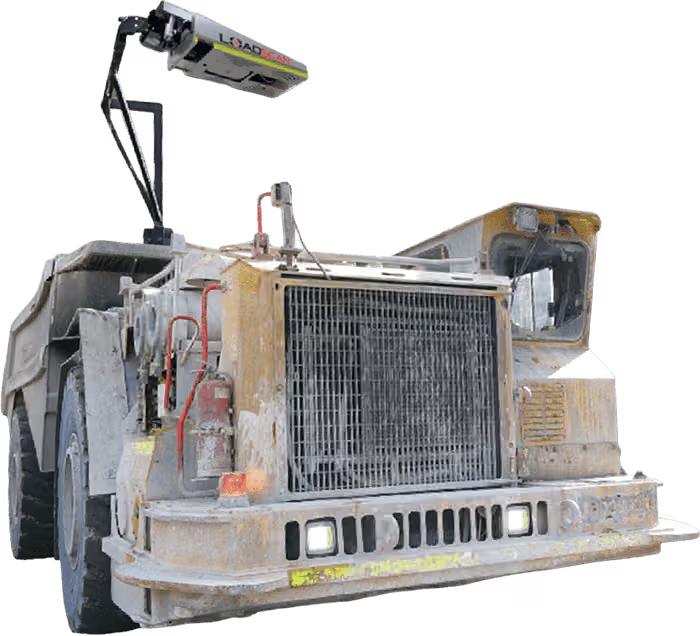
Loadscan Custom MPS-3CMX
For some more unique applications the best option is the Loadscan® Load Volume Scanner Custom Mount (head only) truck measurement…
-
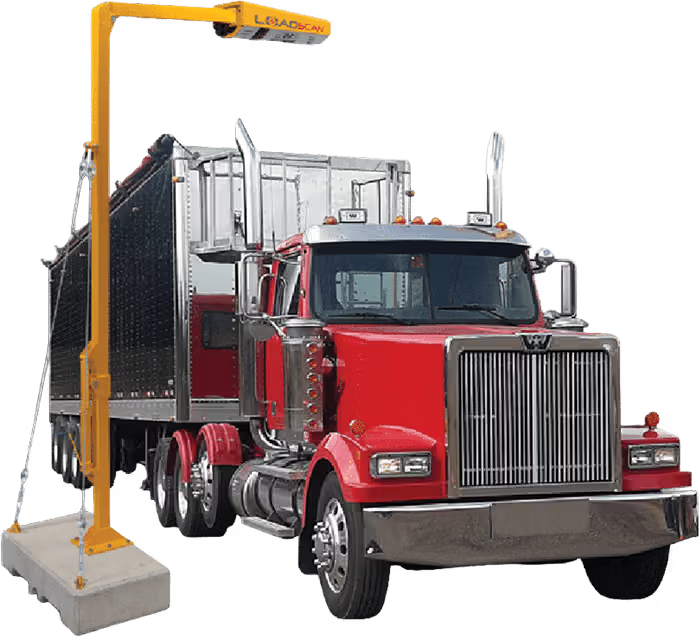
Loadscan Fixed LVS-3BMF
The Loadscan® Fixed Load Volume Scanner is perfect for applications where there is a permanent site office. The fixed truck…
-
Loadscan Portable LVS-3BMP
Portable Loadscan® LVS-3BMP is an advanced load volume scanner designed to deliver accurate, non-contact truck volume measurement which is ideal…
Conveyor Volume Scanner System
-
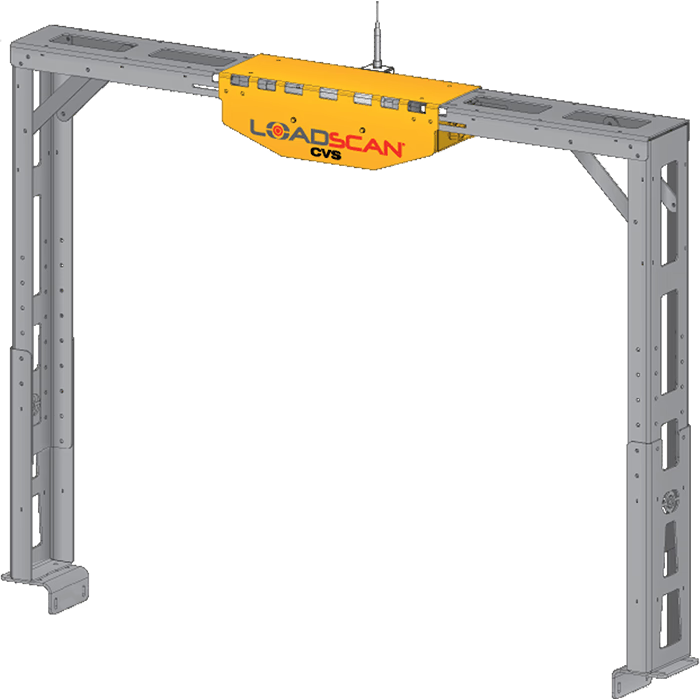
Conveyor Volume Scanner CVS
Loadscan’s Conveyor Volume Scanner (CVS) measures and reports on bulk flow to give you enhanced production control and effective stockpile…
Powerful Add-ons to the Standard LVS Configuration
-
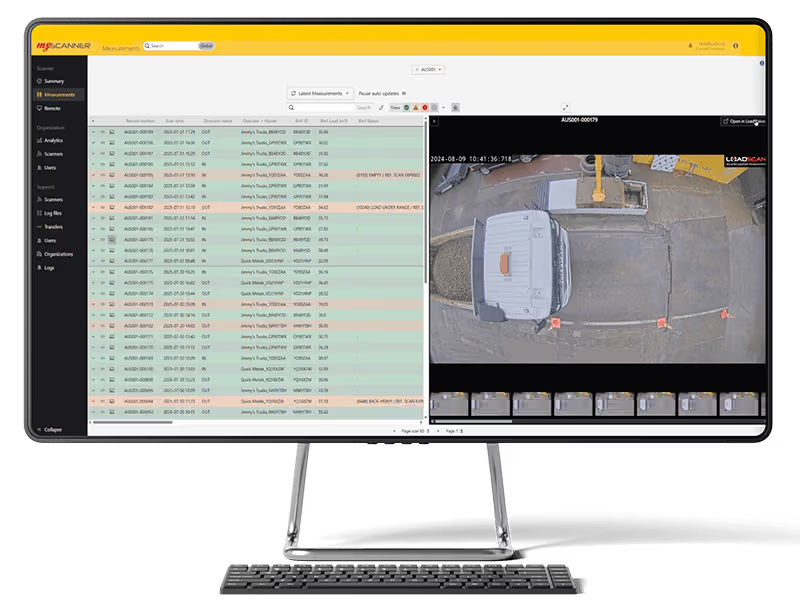
LoadVision
The LoadVision™ add-on takes your Loadscan Load Volume Scanner to the next level by providing clear, visual insights into your…
-
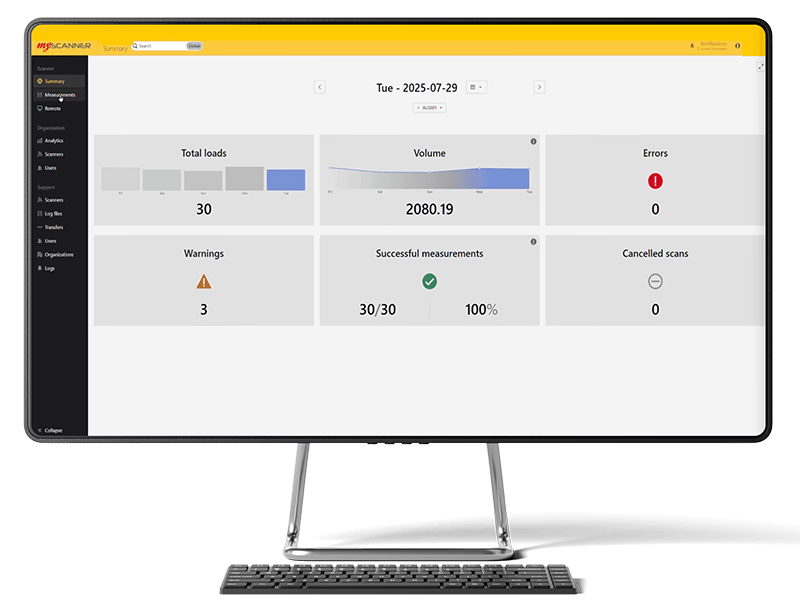
MyScanner
MyScanner™ is a secure web portal that allows remote access to your scanner, real-time presentation of scan data and access…
-
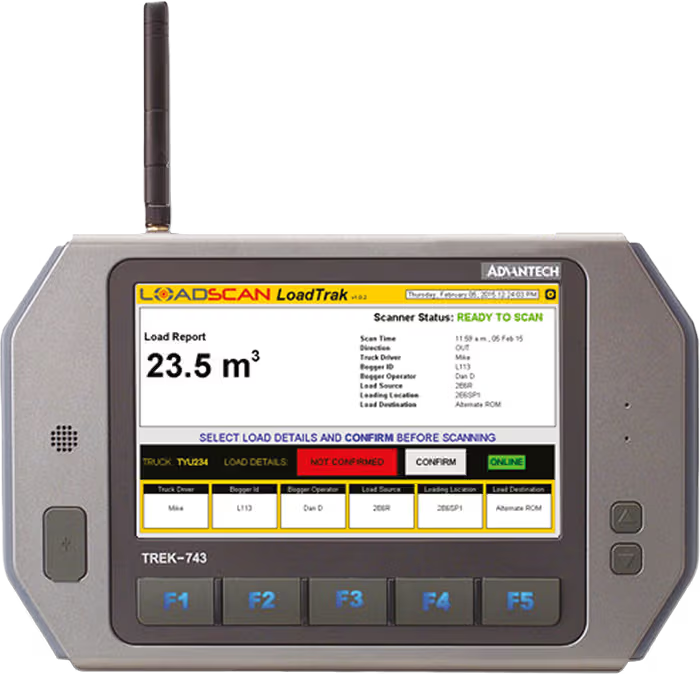
LoadTrak In-cab Console
Monitoring and measuring truck loads of valuable material around your mine site can be a mountain of paperwork or an…
Loadscan Software
-
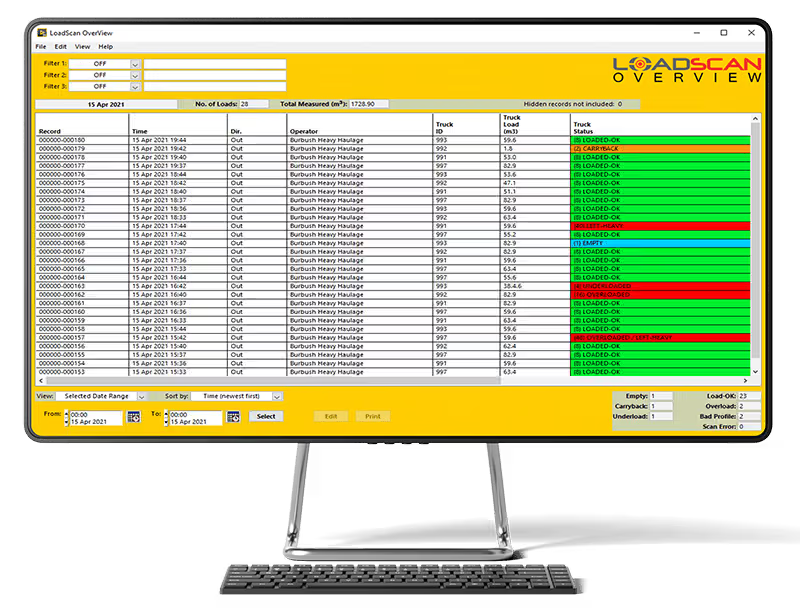
Overview
Measuring truck loads is a start, but how you utilize the measurement data to benefit your business makes all the…
Benefits
Benefits of civil Construction
-
Accurate Volume MeasurementLoadscan’s technology measures actual volumes, not estimates, ensuring civil construction projects eliminate human error and reduce costly disputes.
-
Improved Project EfficiencyReal-time load data enhances daily productivity checks, streamlines payment verification, and supports better coaching of loader operators.
-
Optimised Truck LoadingBy eliminating underloading and managing haulback, contractors maximize asset utilization, cut waste, and boost overall profitability.
-
Effective Contractor ManagementRFID systems make it easy to monitor multiple civil contractors, reducing errors, eliminating manual dockets, and providing full transparency.
-
Cost Control and ConfidenceWith accurate accounting for bulking and compaction factors, contractors ensure fair material payments, prevent overruns, and strengthen project bids.
Everything You Need to Know
FAQs About Civil Construction
Request a Quotation
Please complete the form and a SITECH SA representative will contact you to assist.