
Bark, Mulch and Compost
Measuring loose material accurately
Loadscan’s products are exported globally to bark, mulch and compost suppliers across the globe. If you’re unknowingly oversupplying because you’re unable to measure loose material accurately, you’ll be doing your bottom line no favours.
Enquire Now
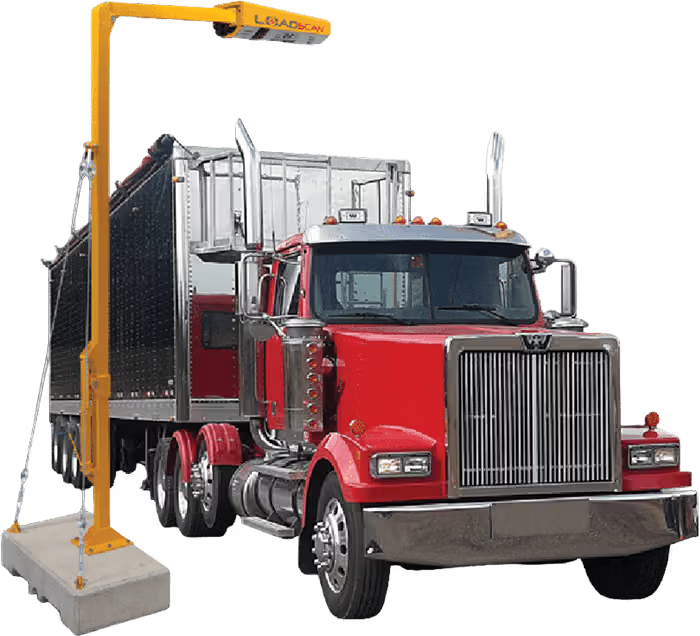
Accurate Volume Measurement
Measure What You Sell and Pay for What You Receive
The LVS system reports the actual loose volume of the load as it sits in the truck at the time of measurement, regardless of how it was loaded or how heavy or wet the material is. Improved load measurement and inventory monitoring means you won’t run the risk of huge product write-offs come stocktake.
Volume scanning delivers extensive benefits
-
Ensure you only pay for the material you receive
-
Don’t pay for water content in incoming material
-
Determine accurate product densities by combining measured volume and weight data, not estimates based on inaccurate conversion factors
-
Accurate sold volumes improves customer satisfaction and retention, and eliminates oversupply
-
Proven accurate to +/- 1% (Certified for Trade in NZ and Australia)
-
Eliminate disputes or withheld payments over volumes
-
Optimize truck loading for maximum asset utilization and profitability
-
Easily access historical period reporting for invoicing, stock reconciliation and performance analysis
-
No significant maintenance costs or re-calibration required
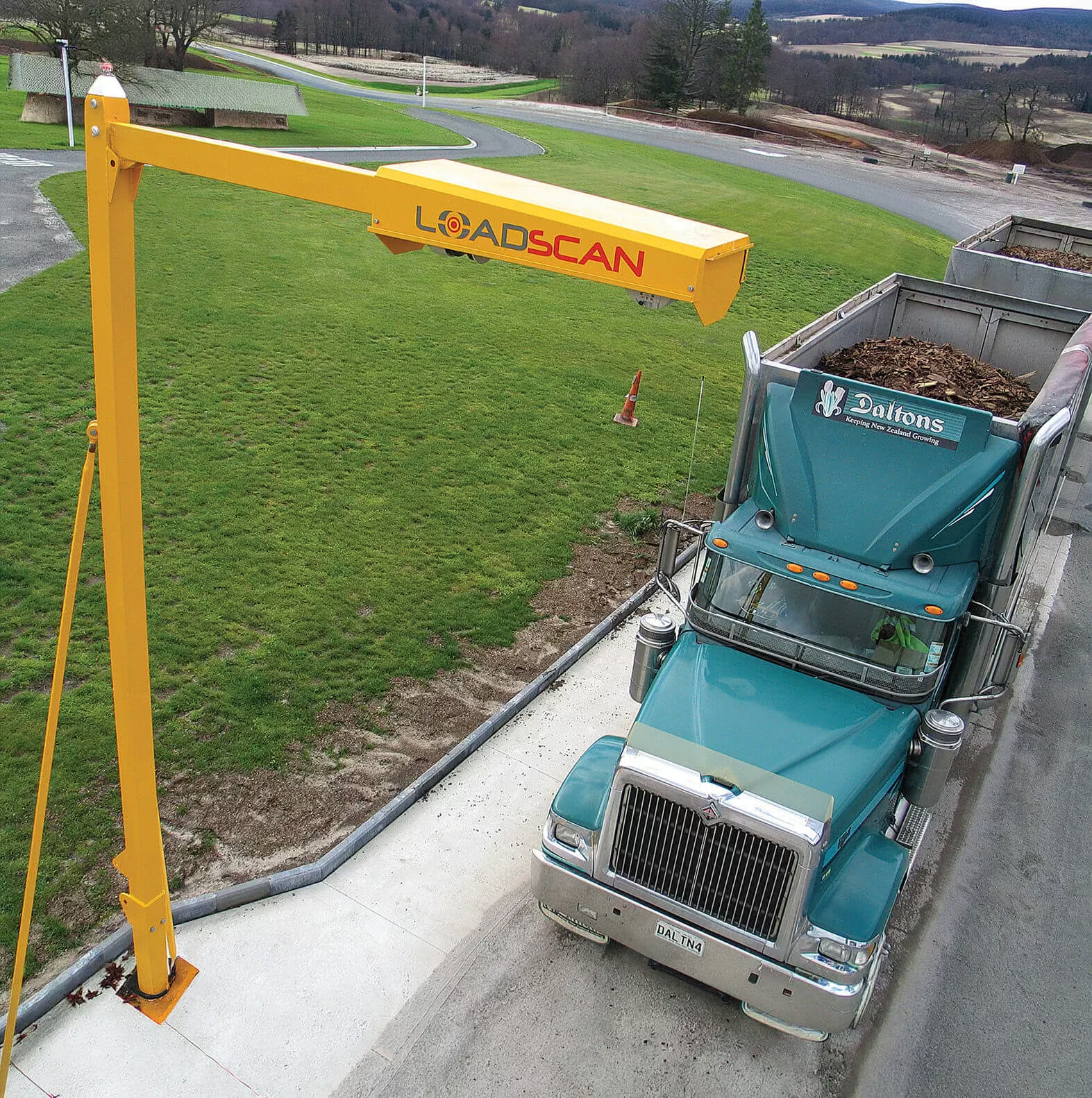
True Cost of Inaccurate Measurement
Generic Estimates Are Costing You More Than You Think
Material moisture, pile age, size and type all affect actual volume in ways that standard bulking and compaction factor charts simply cannot account for. Without accurate, real-time measurement of loose volumes in the truck bin, you risk overpaying for incoming material, oversupplying customers and eroding profits on every load. The Loadscan LVS gives you the ability to determine and apply your own material-specific factors, making it the only reliably accurate method of measuring volumes across your entire operation.
Inaccurate compaction and bulking factors can reduce profits
Every supplier and manufacturer has a somewhat unique situation, where material is affected to different degrees by factors such as moisture, size of the pile, how long the pile has been settled, and type of material. Using common bulking and compaction factors provide generic estimates only, and don’t necessarily reflect the actual state of your material.
Incorrectly estimated or misunderstood factors can significantly reduce profits due to material measurement inaccuracies on incoming and outgoing loads. One cubic yard in the stockpile does not translate into one cubic yard in the truck, nor one cubic yard when dumped.
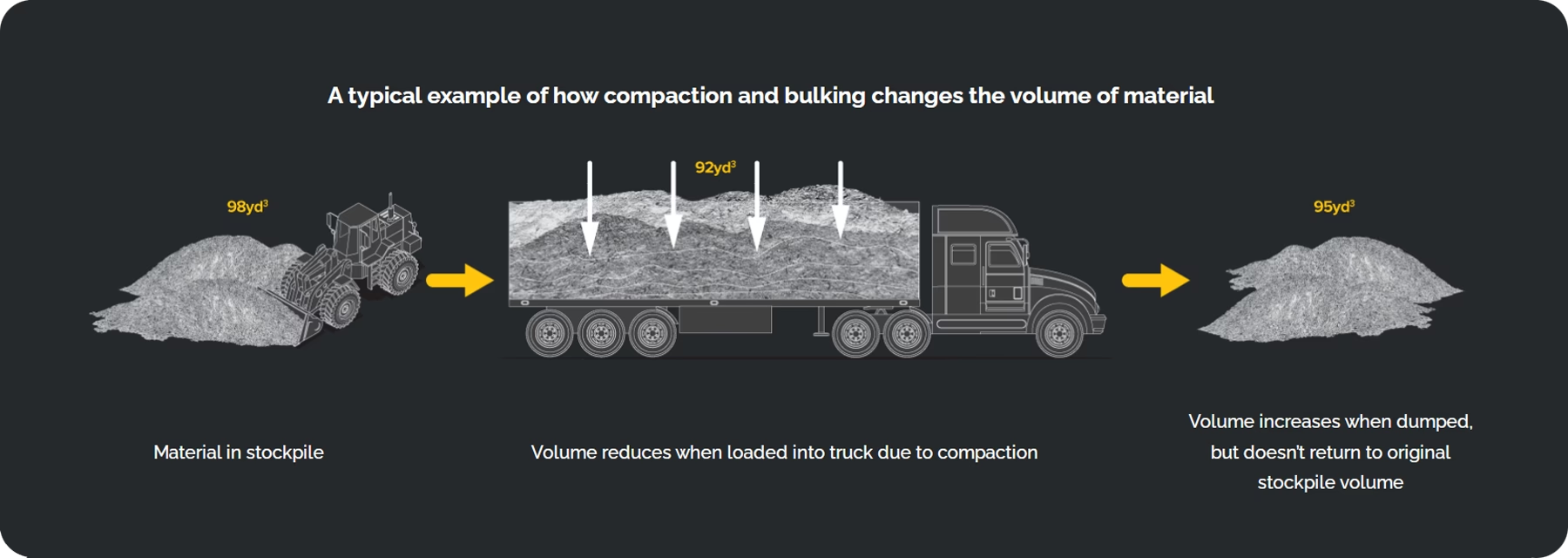
Material from the stockpile tends to compact when loaded into a truck bin. When the material is unloaded at the destination it tends to bulk up, but usually not the the same volume that was extracted from the original stockpile. This makes accurate loose measurement challenging.
Without accurate factors to determine the true volume of loose material in a truck bin you could be paying for material you haven’t actually received, or you could be oversupplying your customers.
The Loadscan LVS gives you the ability to accurately determine and apply your own compaction and bulking factors of each of the materials you receive and supply, making it the only reliably accurate method of measuring volumes.
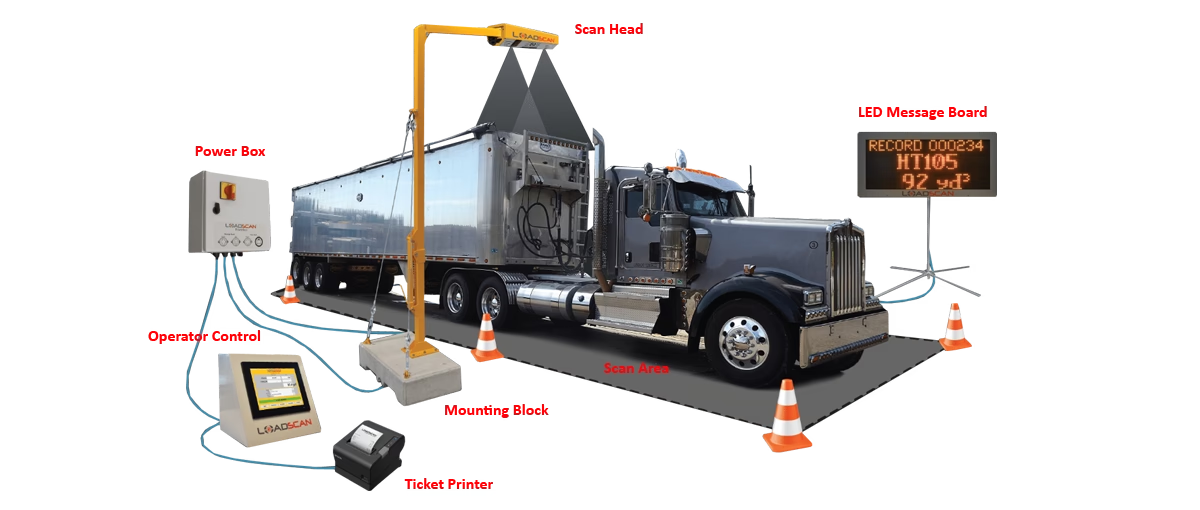
Typical load scanning system components
The Loadscan LVS system is made up of several integrated components that work together to deliver fully automated, accurate load measurement. Each element plays a specific role in capturing, processing and communicating load data in real time, with minimal operator intervention required.
End Supply Disputes for Good
Ensure you only pay for the Material you receive
Because you purchase material in cubic volume, you need a reliable and accurate method of checking that the actual volume of material you’re receiving is correct, not a supplier estimate.
Common methods of determining truck load volumes, such as counting loader buckets or truckloads, or converting from weight are inaccurate. Survey quantities don’t account for compaction factors in material loaded into a truck from a stockpile, nor bulking of the material when it’s unloaded. With a Loadscan LVS system you’ll end supply disputes, which can be frustrating, time consuming and expensive.
Volumetric laser scanning is the only accurate and consistent load measurement method.
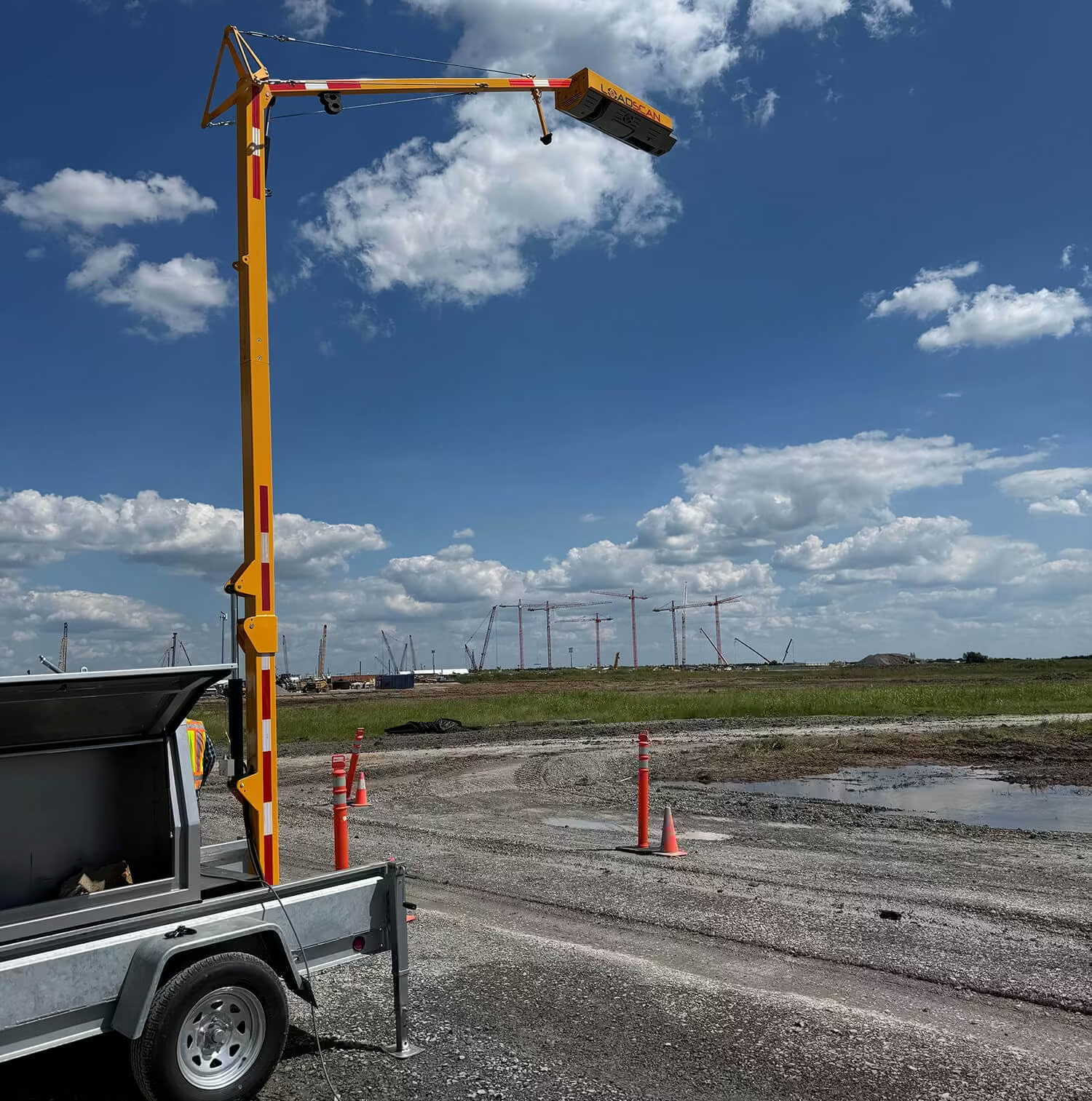
Load Volume Scanner Systems
-
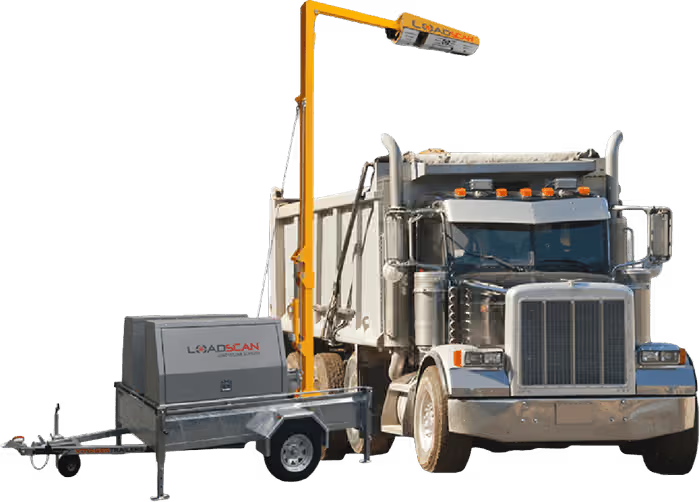
Loadscan Mobile LVS-3TMM
For a fast and fully mobile truck measurement and load scanning solution – the Loadscan® mobile Load Volume Scanner (LVS)…
-
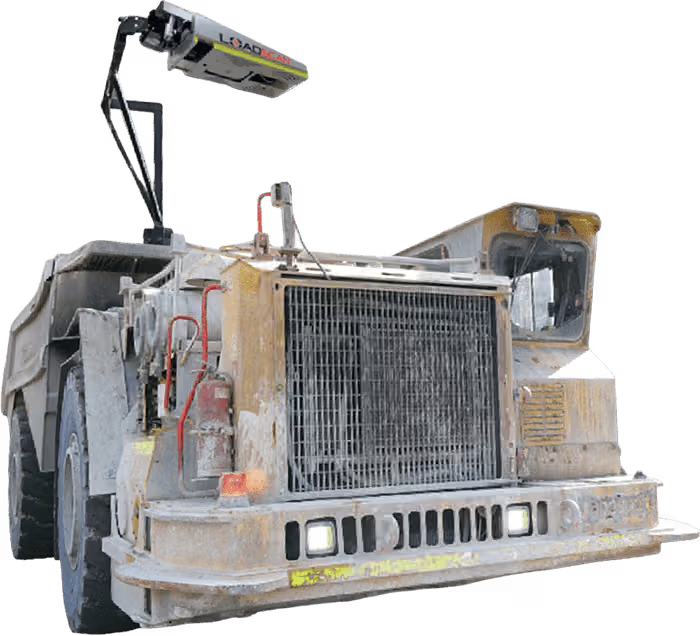
Loadscan Custom MPS-3CMX
For some more unique applications the best option is the Loadscan® Load Volume Scanner Custom Mount (head only) truck measurement…
-
Loadscan Fixed LVS-3BMF
The Loadscan® Fixed Load Volume Scanner is perfect for applications where there is a permanent site office. The fixed truck…
-
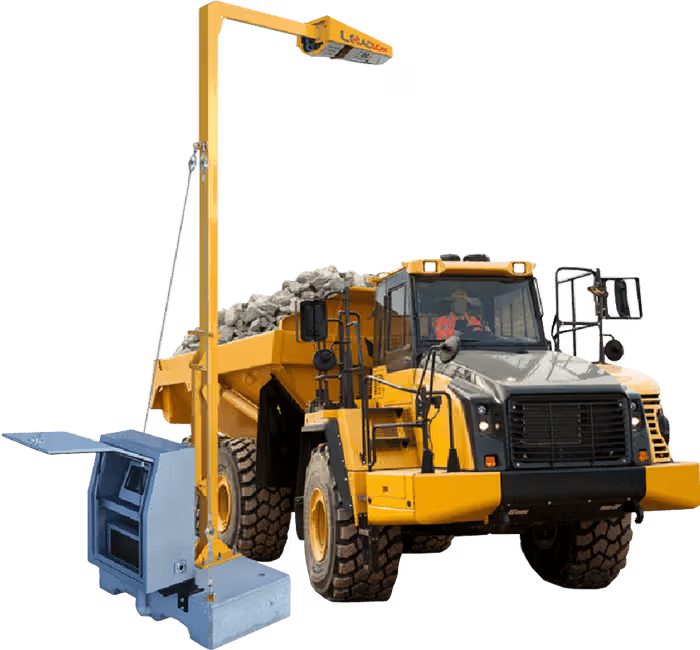
Loadscan Portable LVS-3BMP
Portable Loadscan® LVS-3BMP is an advanced load volume scanner designed to deliver accurate, non-contact truck volume measurement which is ideal…
Powerful Add-ons to the Standard LVS Configuration
-
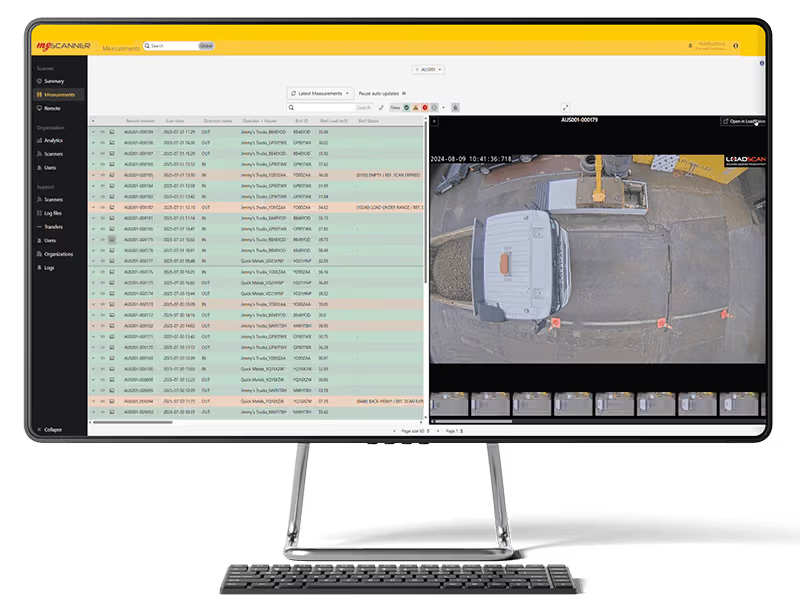
LoadVision
The LoadVision™ add-on takes your Loadscan Load Volume Scanner to the next level by providing clear, visual insights into your…
-
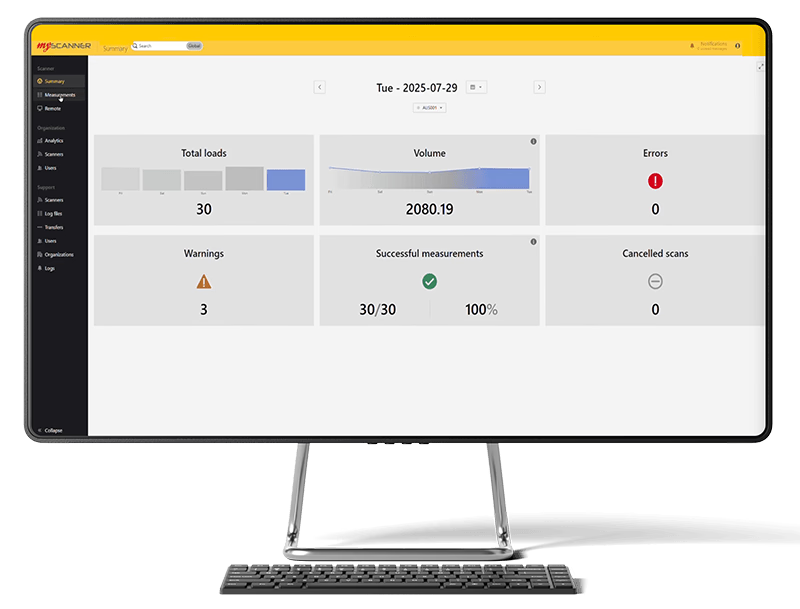
MyScanner
MyScanner™ is a secure web portal that allows remote access to your scanner, real-time presentation of scan data and access…
-
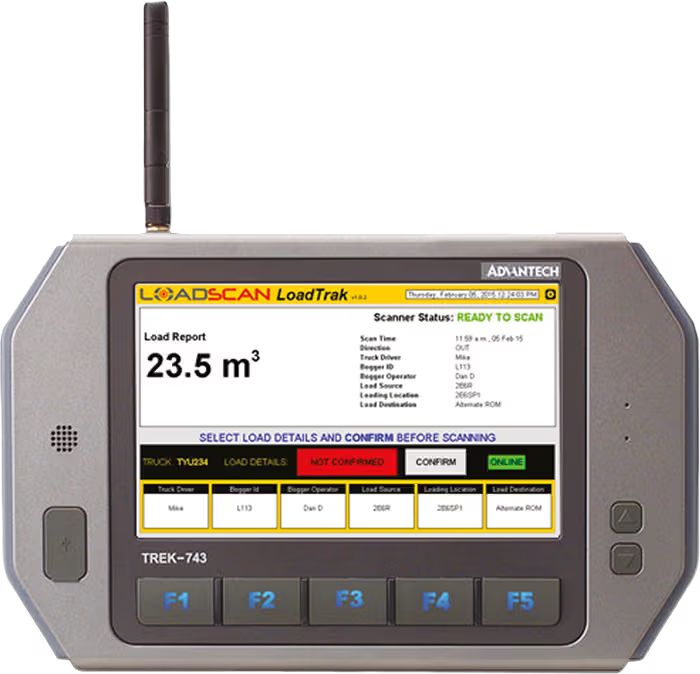
LoadTrak In-cab Console
Monitoring and measuring truck loads of valuable material around your mine site can be a mountain of paperwork or an…
Loadscan Software
-
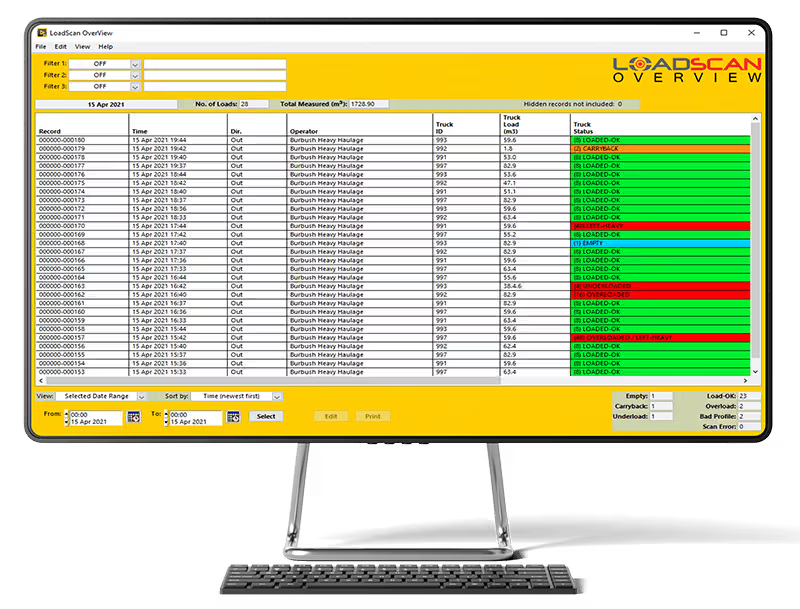
Overview
Measuring truck loads is a start, but how you utilize the measurement data to benefit your business makes all the…
Request a Quotation
Please complete the form and a SITECH SA representative will contact you to assist.